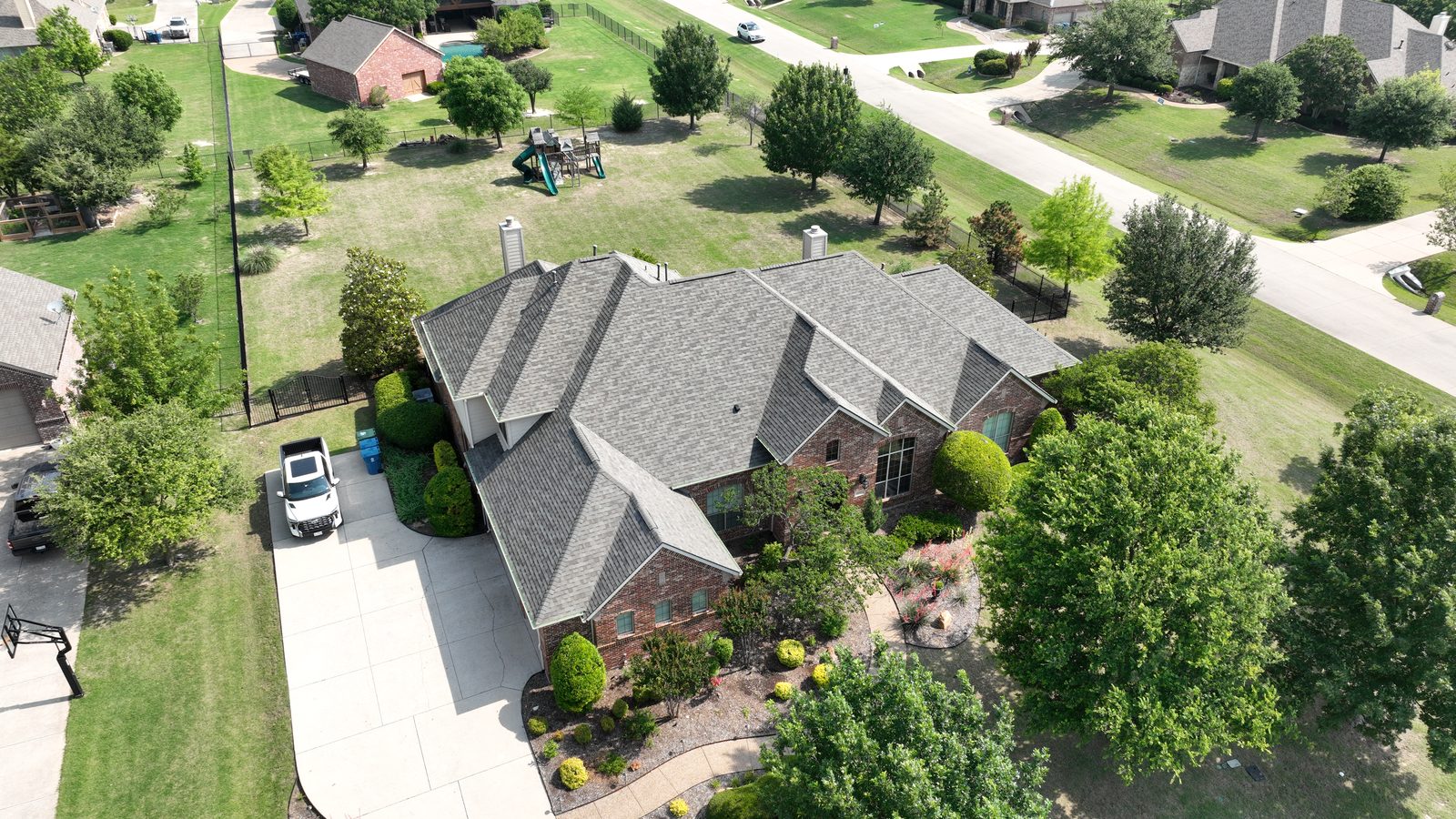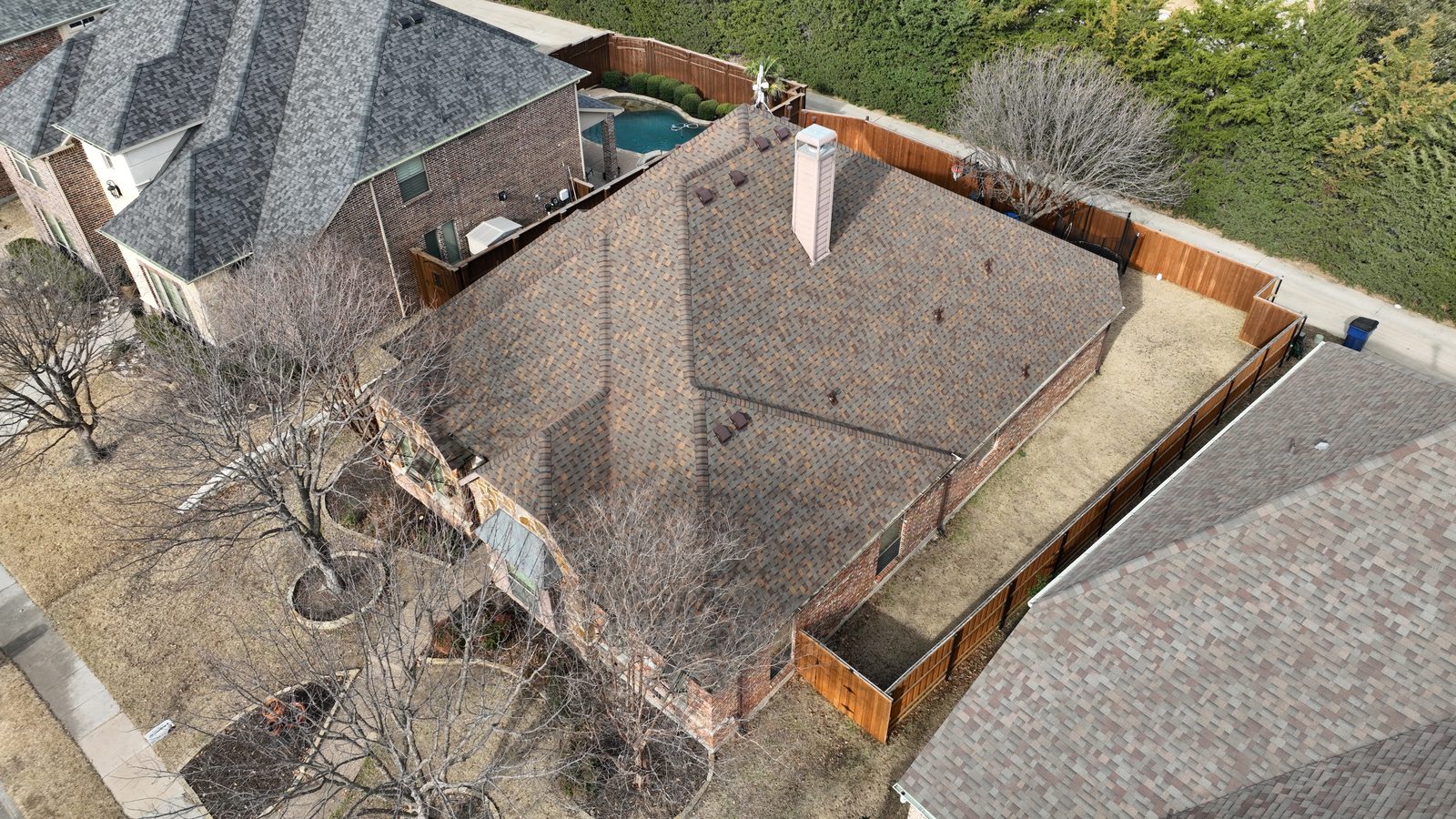
If you’ve seen a headline about a “super El Niño” this fall, you’re not imagining it. NOAA says the El Niño building in the Pacific right now is one of the strongest on record. The headlines don’t agree on what it means for North Texas, though. Some promise snow, others a soggy winter, and a few say not much will change.
We went straight to the official forecasters: NOAA’s Climate Prediction Center, the National Weather Service office in Fort Worth, and the federal drought and climate science teams that cover Texas. Here’s what they actually expect for Dallas–Fort Worth this winter and spring, and what that means for the roof over your head.
First, what is El Niño?
El Niño is a warming of the ocean surface in the central and eastern Pacific. It shifts the jet stream, and in winter it tends to steer more storms across the southern United States, Texas included. It doesn’t cause any single storm. It tilts the odds.

How strong is this El Niño?
Very strong. In its November 12 update, NOAA’s Climate Prediction Center gave about 4-in-5 odds that a strong-to-very-strong El Niño lasts through January–March 2027. It also put the chance that this event ranks as historic at roughly 60%. Forecasters expect El Niño to stick around through spring 2027 before fading next summer.
What forecasters expect for Dallas–Fort Worth
1. Wetter, but mostly later
This is the clearest signal, and it shows up in every official source we checked:
- NOAA’s seasonal outlook (Nov 19): better than a 40% chance of above-normal precipitation this winter across the central and southern Plains and the Gulf Coast.
- NIDIS (Oct 22): most of Texas has 40–50% odds of a wetter-than-normal winter.
- NWS Fort Worth: the strongest signal is for March through May, with a 70–90% chance of above-normal rain if El Niño holds on.
The early-winter picture is less certain. NWS Fort Worth points out that historically, El Niño hasn’t had much effect on North and Central Texas weather until after the New Year. December could even run a little dry.
2. Not necessarily colder
This is where a lot of headlines get ahead of the forecast. NOAA flags higher uncertainty for winter temperatures in the southern Plains and doesn’t call for a cold winter here. NWS Fort Worth expects December to run near or slightly above normal, with a couple of strong cold shots possible, and January and February near normal.
3. Ice is a bigger worry than deep freezes
A U.S. Geological Survey climate science team that covers Texas notes that El Niño winters bring higher chances of ice storms in the region, while extreme cold outbreaks become less likely. For a roof, that’s an important difference. A week of hard freeze is mostly a plumbing problem. A quarter-inch of ice on every limb over your house is a roofing problem.
4. No two strong El Niños look alike
NWS Fort Worth looked back at the three strongest recent El Niños (1982–83, 1997–98 and 2015–16) and found little agreement on a single weather pattern. El Niño also doesn’t guarantee drought relief. NIDIS notes that the 1953–54, 1972–73 and 2023–24 events all fell short. Treat the forecast as better odds, not a promise.
What this means for your roof
Rain will find whatever the summer broke
North Texas just came through a brutally hot, dry summer. A roof that sat baking for months often has small problems: cracked rubber pipe boots, shrunken sealant around flashing, worn shingles. You can’t see them until a long, wet stretch arrives. We break this down in our post on why the first big rains find every weak spot.
Ice weight lands on limbs and gutters
If the ice-storm odds play out, overhanging branches are the biggest risk to your roof. Ice multiplies a limb’s weight. Gutters packed with leaves turn into heavy ice troughs. See what ice actually does to Texas roofs.
Spring is going to be busy
North Texas hail season runs roughly March through June every year, El Niño or not. Stack a wet spring on top of that, and roofers fill up fast. The Roofing Contractors Association of Texas notes that demand for roofers “spikes quickly” after major hail events. That’s also when out-of-town crews and door-knockers show up, so it’s worth knowing the right questions to ask a roofer before you need one.
Your El Niño roof timeline
| When | What to do |
|---|---|
| Now through mid-December | Get a roof inspection. Clean gutters once the oaks and pecans finish dropping. Trim limbs that hang over the roof. |
| December–January | Fix the small things while schedules are open: pipe boots, flashing, lifted shingles, gutter fasteners. |
| January–February | If your roof is near the end of its life, replace it before spring. Winter installs work fine in DFW. If you’re replacing anyway, ask about Class 4 impact-resistant shingles. |
| Before March | Keep dated photos of your roof’s condition. If spring storms hit, a “before” record makes an insurance claim much simpler. |
Frequently asked questions
Does El Niño mean more hail in Dallas–Fort Worth?
None of the official forecasts we reviewed call for more hail because of El Niño. Their focus is rain. Spring hail is a yearly reality in North Texas, though, so plan for it either way.
Will DFW get snow this winter?
There’s no official snowfall forecast, and NWS Fort Worth isn’t calling for a colder-than-normal winter. Short cold outbreaks are still possible, and ice is the bigger roofing concern.
When will the forecast be updated?
NOAA’s Climate Prediction Center updates its El Niño discussion on December 10 and its seasonal outlook on December 17. NWS Fort Worth posts local updates on its extended range page.
Get ahead of the wet season
Riddle Brothers has protected roofs in Rowlett, Rockwall and across DFW since 2013, through drought years and wet ones. We’ll get on your roof, photograph what we find and tell you plainly whether it’s ready for an El Niño spring. Call (214) 884-8346 or schedule your free inspection.
Sources: NOAA CPC ENSO Diagnostic Discussion (Nov 12, 2026); NOAA CPC Seasonal Outlook Discussion (Nov 19, 2026); NWS Fort Worth Extended Range Discussion (Nov 8, 2026); NIDIS Southern Plains Drought Status Update (Oct 22, 2026); NIDIS: El Niño on the horizon; USGS South Central CASC: Super El Niño impacts; RCAT: How Texas weather affects roof lifespan.